
NAEMT Community Paramedicine Series: Transforming the Future of EMS

Many EMS agencies face daily challenges with non-emergency calls that strain already limited resources and divert attention from true emergencies. The 1996 EMS Agenda for the Future highlights a vision for the role of EMS practitioners — one where they provide proactive, non-emergency, communitybased care. Addressing health care issues before they escalate into emergencies alleviates pressure on the EMS profession by reducing non-emergency calls.
Addressing health care issues before they escalate into emergencies alleviates pressure on the EMS profession by reducing nonemergency calls.
THE BIG PICTURE
In addition to a strained EMS system, rising healthcare costs and the increasing prevalence of chronic diseases highlight the need for health care reform. The healthcare system is shifting from an illness-based model of care to a value-based approach that prioritizes prevention, chronic disease management, and patient-centered care.In addition to a strained EMS system, rising healthcare costs and the increasing prevalence of chronic diseases highlight the need for health care reform. The healthcare system is shifting from an illness-based model of care to a value-based approach that prioritizes prevention, chronic disease management, and patient-centered care.
Mobile Integrated Healthcare
As healthcare focuses on disease prevention and holistic care, delivering healthcare services directly to patients in their homes or community environments is essential. This approach is called mobile integrated health care (MIH). MIH relies on teams of health care practitioners, including paramedics and nurses, to provide patient care and public health initiatives focusing on disease prevention, chronic disease management, and patient education. In addition to alleviating pressure on the EMS profession, MIH expands access to health care, minimizes emergency department visits, reduces hospital admissions and readmissions, and decreases health care costs.
THE ROLE OF THE COMMUNITY PARAMEDIC
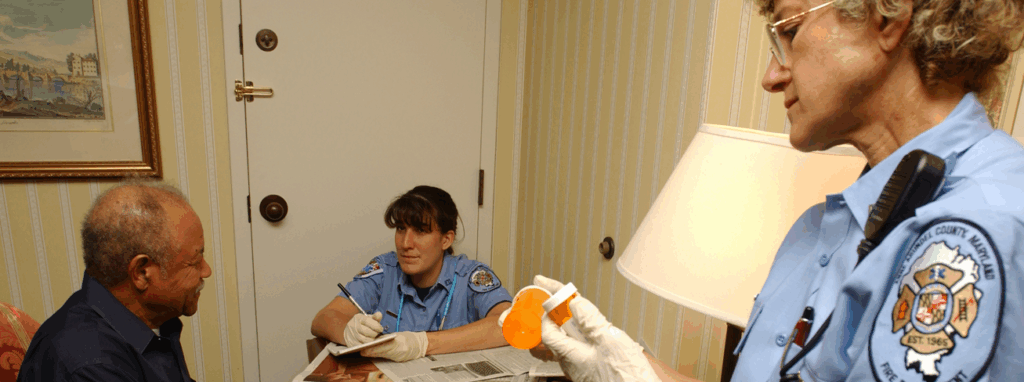
Community paramedics are essential members of the MIH team. These EMS professionals specialize in delivering preventative care, particularly in managing chronic conditions. Community paramedics operate beyond regular emergency services; many serve rural, underserved areas where patients face limited access to healthcare resources. The community paramedic may deliver care in homes, clinics, or various community settings. Rather than dedicating their shift to answering 911 calls, a community paramedic might perform home visits to monitor blood pressure, assess a patient after discharge from the hospital, or educate families about maintaining a healthy diet. Although each day may vary, the community paramedic draws on their medical expertise to improve the health of community members.
A BROADENING SCOPE OF PRACTICE
Community paramedicine expands the typical paramedic’s daily practice. In addition to managing medical emergencies, community paramedics provide more ongoing, longitudinal care. The focus for community paramedics varies by state, region, and health care system but generally includes nonemergency services like chronic disease management, care coordination, and patient education.
NAEMT Addresses the Knowledge Gap in EMS
Although some traditional paramedic programs include a community paramedicine elective, most paramedics need additional training to deliver community paramedicine services effectively. NAEMT recognizes this growing need for community paramedicine education. As part of its ongoing commitment to supporting paramedics in expanding their roles, NAEMT offers a specialized series of courses designed to provide comprehensive training for paramedics who want to work in MIH and community-based care settings.
THE NAEMT COMMUNITY PARAMEDICINE SERIES
The NAEMT Community Paramedicine Series is a comprehensive program designed to equip paramedics with the essential skills and knowledge for success in community paramedicine. The series covers a wide range of topics that address the health care needs of patients in community settings.
Curriculum
The Community Paramedicine Series features 7 courses. Each course lasts between three to six hours and can be offered individually or combined. The curriculum covers various topics, including chronic disease management, specialized patient populations, and patient care education.
Chronic Disease Management Courses
Chronic disease management is a critical component of community paramedicine. These courses are organized by body system and provide paramedics with in-depth education on the anatomy, physiology, and management of both chronic and acute conditions. These courses focus not only on the clinical aspects of chronic disease management but also patient education, the impact of social determinants of health, and the availability of community resources to help patients manage their conditions
Course titles include Respiratory Disorders, Cardiovascular Disorders, Endocrine Disorders, and Mental Health and Substance Use DisordersPatient Care and Education Courses
Community paramedics are often uniquely positioned to be their patients’ primary healthcare contact, enabling them to provide immediate medical care while influencing long-term health outcomes. In these courses, paramedics gain the knowledge and skills needed to motivate and educate patients, whether by promoting healthier food choices or encouraging behavior change, to impact long-term health outcomes. These courses highlight the importance of social, cultural, and health-related factors that affect patients’ health.
Eligibility, Instructors, and Course Materials
The Community Paramedicine Series can be offered through any NAEMTapproved training center. Instructors must hold a paramedic-level license or higher and be a current CAAHEPaccredited paramedic program instructor, AMLS instructor, IBSC-certified community paramedic, or serve in one of the military medical specialty areas (Air Force Independent Duty Medical Technician, Special Operations Forces Medic, or Navy Independent Duty Corpsman).
Training centers can access course materials such as the Instructor Guide, Course Lessons, Patient Simulations or Class Activities, Course Schedule, and Final Exam free of charge in the secured documents folder on the NAEMT education portal.
Preparing for the IBSC Community Paramedic Certification Exam
The NAEMT Community Paramedicine Series is designed to prepare paramedics for the International Board of Specialty Certification (IBSC) Community Paramedic Certification (CP-C) exam. This certification validates community paramedics’ advanced skills, knowledge, and competency in providing communitybased care. Obtaining CP-C certification not only improves the credibility of paramedics but also positions them as leaders in the evolving field of community paramedicine.
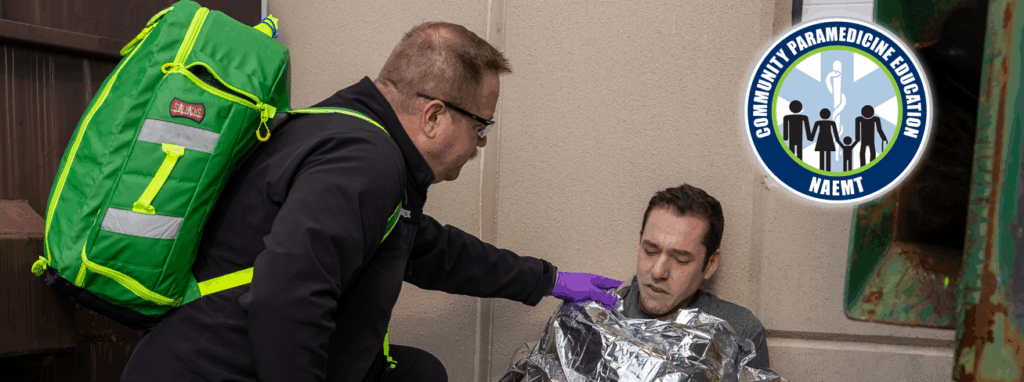
Community paramedics play a vital role in supporting patients with mental health disorders and substance use by monitoring, evaluating, managing, and educating them.
THE ROLE OF COMMUNITY PARAMEDICS AMIDST EVOLVING COMMUNITY MENTAL HEALTH NEEDS
Community paramedics are increasingly affected by the rising prevalence of mental health issues, which significantly influences overall community health. As conditions like anxiety and depression become more common, their impact ultimately affects entire communities. Community paramedics play a vital role in supporting patients with mental health disorders and substance use by monitoring, evaluating, managing, and educating them.
New Course Now Available
The expanding NAEMT course suite aims to address the EMS profession’s evolving educational needs. NAEMT just released a Mental Health and Substance Use Disorders course. This course is highly relevant for community paramedics, as it will focus on recognizing mental health and substance use disorders, addressing the stigma associated with these conditions, identifying available community resources, and developing care plans for those affected by these issues. Community paramedics may work with patients diagnosed with depression, anxiety, bipolar disorder, PTSD, or schizophrenia. The content includes an important component on strategies and tips for identifying risk factors for suicide. The course will teach students to monitor, evaluate, manage, and educate patients with substance use disorders. Students will recognize the different care options and alternative transport destinations available for patients, as well as learn to assist patients with medication education, management, and reconciliation.
Upon course completion, participants will be able to:
1. Describe the role of community paramedics in monitoring, evaluating, managing, and educating patients with mental health disorders and substance use.
2. Identify the signs and symptoms of mental health disorders, including substance overuse, using validated screening tools.
3. Discuss how stigma and bias of mental health and substance use disorders affect the ability to seek and receive proper treatment, long-term management of the disorder, and patient outcomes.
4. Identify potential and existing community resources for patients with mental health disorders and substance use.
5. Create and implement a plan of care for patients with mental health disorders and substance use.
FOR MORE INFORMATION
To locate a Community Paramedicine Series course near you or for more information about the series please visit www.naemt.org/education/CourseDirectory.
More Articles