

TIP – The Case for EMS Reimbursement
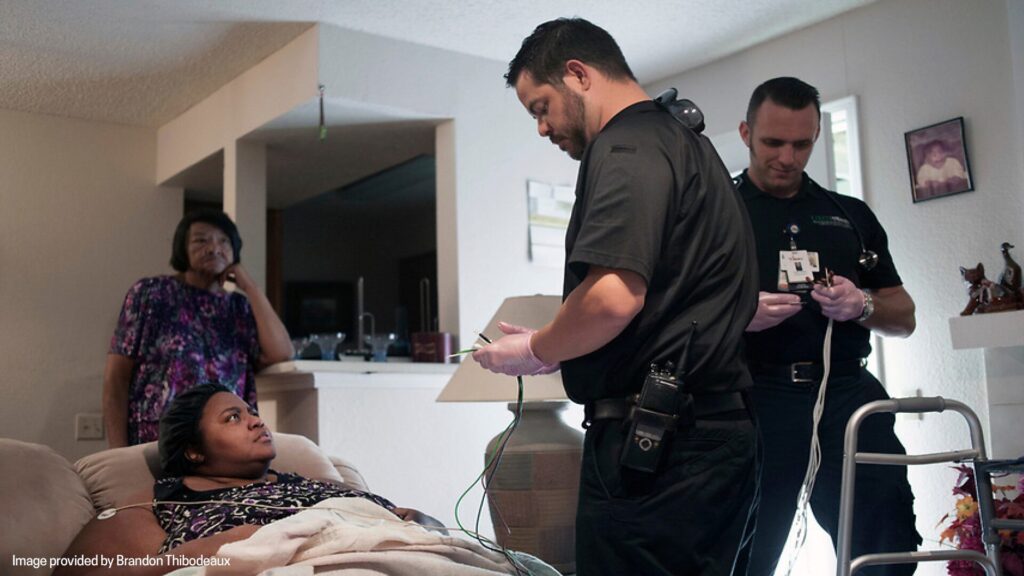
An external analysis of the Centers for Medicare and Medicaid Services (CMS) ET3 TIP model identified an average Net Savings to Medicare of $537.51 for each patient encounter. TIP could annually save Medicare between $1.2 and $1.5 billion. Ambulance services also conducted on-scene treatment without transport to a hospital under a pandemic authorized waiver. The Congressional Budget Office (CBO) reported that CMS saved more than $18 million under this waiver, after paying the ambulance agencies to achieve a 193% cost to savings ratio.
The national average Medicare fee schedule for a basic life support emergency ambulance service is $447.56, and of this allowed amount, Medicare pays 80%. Based on this data, the average Medicare expenditure per ambulance treatment without transport claim is estimated at $358.05. CMS paid ambulance services $20 million under this waiver. Using the per call payment estimate, the number of ambulance treatment without transport claims that the $20 million expenditure represents is ~55,858 ambulance claims ($20 million ÷ $358.05). In simple terms, there were 55,858 Medicare beneficiaries who were not seen by a hospital emergency department (ED), and instead were cared for by ambulance agency personnel.
The most recent Healthcare Cost and Utilization Project (HCUP) report from the Agency for Healthcare Research and Quality (AHRQ) reveals the average expenditure for ED visit for patients aged 65 or older is $690. Using this data, the estimated savings to Medicare derived from the 55,858 Medicare beneficiaries who were NOT seen in an ED was $38,542,020 (55,858 beneficiaries × $690/ED visit). A 193% cost to savings ratio.
The National Association of State EMS Officials (NASEMSO) identified 42 million EMS responses in 2018. Medicare beneficiaries typically represent 40% of patients treated by emergency medical services (EMS), or 16,800,000 patients. A study of Medicare beneficiaries transported by ambulance to the ED published in Health Affairs in 2013 found that an estimated 12.9 –16.2 % of Medicare covered 911 EMS transports involved conditions that were probably nonemergent, or primary care treatable.
Applying the 12.9% – 16.2% of the 16.8 million EMS responses for Medicare beneficiaries in 2020 as potentially eligible for treatment in place without transport would prevent between 2.17 and 2.82 million ED visits by Medicare beneficiaries. This represents between $1.5 and $1.95 billion annual savings to Medicare.
For references, contact NAEMT.

More Articles