
EMS Readiness and Response: A Reflection on the Oklahoma City Bombing
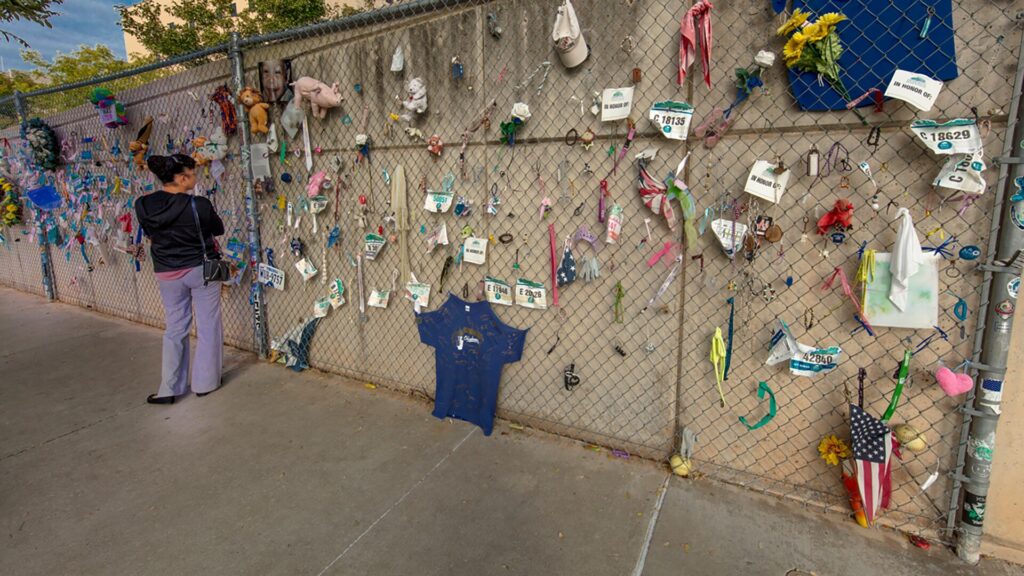
Tragedy struck on April 19, 1995, when a bomb was detonated outside the Oklahoma City’s federal building.
The blast killed 168 people, 19 of them children, and injured nearly 700 more. Within the first hour of the explosion, 139 patients were transported to area hospitals and during the day, 444 persons were treated for physical injuries. Among the lessons learned, is that the training of first responders and others from multiple agencies contributed to the successful response, a report noted.
Oklahoma City’s tragedy and loss remain in our memory 30 years later. The preparedness and response of EMTs, paramedics, firefighters, and law enforcement personnel on that tragic day, and every day following in service to their communities, are deeply appreciated. We are and always have been, grateful for you.
There are many stories marking this 30-year anniversary. Here are a few:
- https://www.military.com/off-duty/television/2025/03/10/natgeos-latest-iteration-of-one-day-america-looks-oklahoma-city-bombing.html
- https://apnews.com/article/oklahoma-city-bombing-30th-anniversary-survivors-ad18c59a2d3194d9c8f0e2103a30e4c2
- https://www.usatoday.com/story/news/nation/2025/04/17/oklahoma-city-bombing-anniversary/82887400007/
- https://oklahoma.gov/odmhsas/about/public-information/press-releases-and-other-news/2025/remembering-the-oklahoma-city-bombing–how-odmhsas-transformed-t.html
2019 OKLAHOMA CITY TRAGEDY – THEN AND NOW COMPARISONS
by Bill Justice, NREMT-P
In 1995 I was a firefighter/paramedic for the Oklahoma City Fire Department, assigned to rescue Squad 17. On April 19, I was assigned to a special project when the bombing occurred. Like so many, I responded quickly to the scene. The immediate damage was almost indescribable, especially to the north side of Oklahoma City’s federal building. Interestingly, the south side of the structure was intact and that’s where I established the Southside triage area. This was inconsistent with national plans to identify a “central” triage area for all patients because the damage and geographic area made it unfeasible. This point would become an early version of the Casualty Collections Points (CCPs) that we now use. Other changes:
Bleeding Control
- Then: Tourniquets had a bad reputation and were not carried on first response units or air medical, or available in hospital emergency departments.
- Now: Their value is seen in the multiple tourniquet devices carried on emergency vehicles, including law enforcement, and access to tourniquets in most hospital EDs. Also, in the lifesaving Stop the Bleed community training provided to civilians nationwide.
Crush Syndrome Management
- Then: There was little training in crush syndrome management of patients entrapped in a collapsed structure.
- Now: Response plans are guided between both rescue systems and medical clinicians to communicate throughout the rescue and ensure that medical interventions are in place prior to moving debris.
Prehospital Blood Products
- Then: We did not have the ability to provide prehospital blood products in the care of trauma patients.
- Now: A growing trend across the country, prehospital access to blood products produces amazing life-saving results in trauma patients. There is now a robust prehospital blood program provided by both the Oklahoma City Fire Department and Emergency Medical Services Authority (EMSA), along with strong oversight from the Office of the Medical Director.
Hypothermia Prevention
- Then: From recollection, we did not teach the importance of keeping a trauma patient warm and preventing hypothermia. If the patient is cold the red blood cells don’t clot. During the two-week 24/7 rescue and recovery operations the weather changed several times a day.
- Now: We train diligently to keep the patient warm using commercial heating kits along with heated IV fluids and blood.
Area of Refuge for the Dead
- Then: Our written plan allowed for bodies to be removed if they were in the way of operations. Initially several bodies were located around the south side’s main doors in a fenced playground area. Initially this appeared to be a good option for coordination and security. Unfortunately, the number of deceased quickly overloaded the area, and the makeshift morgue was relocated to a church parking lot where tractor trailer coolers were utilized for storage.
- Now: Today, our plan remains the same and I suggest talking with your local coroners, mortuaries, and military “DMORT” teams to add helpful contact information to your plan.
Lastly Dana Bradley, a survivor of the Oklahoma City tragedy, is simply an angel. She is known as the patient who received a leg amputation on the first day. Dana was pinned on the south side of the structure in an extreme confined space area. Due to the limited space, only two rescuers – Dr. Andy Sullivan and Lt. Jeff Steele, OCFD – were able to access her and work within the very limited area. Dana’s leg was pinned by 9-stories of building debris and the realization of an amputation was imminent. An IV was unable to be established primarily due to Dana’s vascular instability so intramuscular morphine was administered. Anyone reading this most likely knows she received very little sedation, if any. The procedure was completed by Dr. Sullivan with his pocketknife (yes, you read that correctly). She was then successfully extracted from the rubble and is alive today.
- Back in 1995, the commercial intraosseous devices we now rely on daily didn’t exist — tools that would have made vascular access so much easier.
More Articles