
Prehospital Blood Programs: Why EMS Reimbursement Matters
Prehospital blood programs are saving lives, but without sustainable reimbursement, many won’t last beyond their startup grants. That was NAEMT’s central message in formal comments submitted November 2 to the National Highway Traffic Safety Administration (NHTSA).
Why It Matters
Severe hemorrhage is the leading cause of preventable trauma death in the United States. Over the past decade, EMS agencies carrying whole blood have seen patients survive injuries that once would have been fatal.
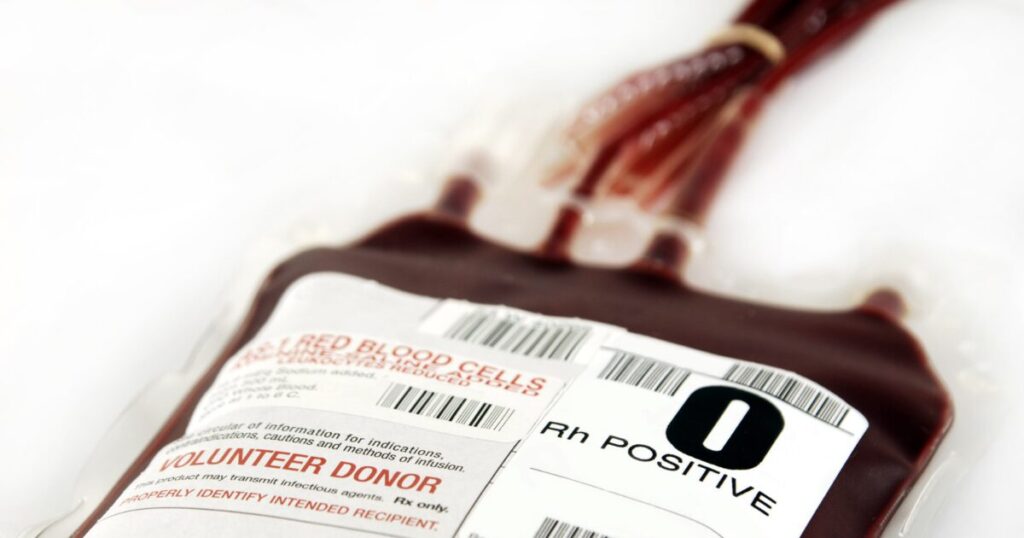
Startup grants can launch a prehospital blood program, but predictable reimbursement is essential to keeping it running. Currently, the Centers for Medicare & Medicaid Services (CMS) does not reimburse EMS for blood products administered before hospital arrival. A single unit can cost an agency up to $1,800 when storage, temperature control, inventory management, and waste are factored in. Even an ALS2 payment, one of Medicare’s highest ground ambulance rates, does not cover that cost.
What We’re Advocating For
NAEMT President Christopher Way signed our comments in response to Docket No. NHTSA-2026-2113, which sought recommendations for expanding prehospital blood transfusion across EMS and 911 systems by the end of 2028.
Our recommendations focused on:
- Sustainable reimbursement. Separate payment for blood products and their administration, readiness payments for maintaining blood availability, and reimbursement for blood-capable units even when they don’t transport the patient. We urged NHTSA and the Federal Interagency Committee on EMS (FICEMS) to work with CMS, Congress, state Medicaid programs, and other payers to develop sustainable funding mechanisms.
- Long-term program sustainability. Agencies should demonstrate how they will fund staffing, supplies, and maintenance after startup funding ends. We also recommended national tracking of program retention at 12, 24, and 36 months.
- Meaningful measures of success. A higher transfusion rate doesn’t automatically mean better care. We recommended measuring appropriate transfusion of clinically eligible patients, time to treatment, adverse events, and patient outcomes, with benchmarks that account for differences among urban, suburban, rural, and frontier systems.
- Regional coordination. Shared inventory, hospital rotation agreements, and strategically placed blood-capable units can reach more patients while reducing duplication. Blood is a limited resource, so expansion must not create new shortages.
- Data sharing and coordination. EMS can document that blood was administered; determining whether it helped requires hospital data. We called for automated hospital-to-EMS data exchange, a standardized transfusion dataset in the National EMS Information System (NEMSIS), and data-sharing agreements, without creating new manual reporting burdens.
- Dispatch and bystander bleeding control. We recommended incorporating standardized bleeding-control instructions into Emergency Medical Dispatch protocols, with success measured by whether callers actually perform the intervention.
- Education and workforce development. Recommendations included incorporating transfusion content into initial EMS education, emphasizing competency-based training rather than additional continuing education hours, developing pediatric-specific protocols, establishing shared regional pediatric emergency care coordinators, and continuing support for the National EMS Licensure Compact.
- Military-civilian collaboration. Civilian EMS should continue learning from the military’s whole-blood and cold-chain experience, with FICEMS leading that collaboration.
What’s Next
The Defense Health Agency’s TRICARE Prehospital Blood Transfusion Demonstration launches in January 2027. This five-year pilot will test reimbursement for blood administered in the field to TRICARE beneficiaries with severe trauma. Its results could help inform whether this type of payment becomes permanent. We’ll be watching closely.
Share Your Story
If your agency runs or is trying to start a prehospital blood program, email advocacy@naemt.org with your costs, funding challenges, and patient outcomes. Real-world data strengthens our case for sustainable reimbursement.
More Articles