

Reverse Ageism in EMS: Why Gen Z Leaders Are Burning Out Before They Begin
Written by Justin Preddy
Do you have any young leaders in your EMS organization? With more than 11,200 Americans turning 65 every day, there’s a good chance that if you don’t have any young leaders in your organization now, you will very soon.
When I entered the administrative side, I had experience, I had leadership skill, I had education, but I lacked “life experience” as once described following a failed interview. Truth is, even after I scored that sweet gig, this trend didn’t stop.
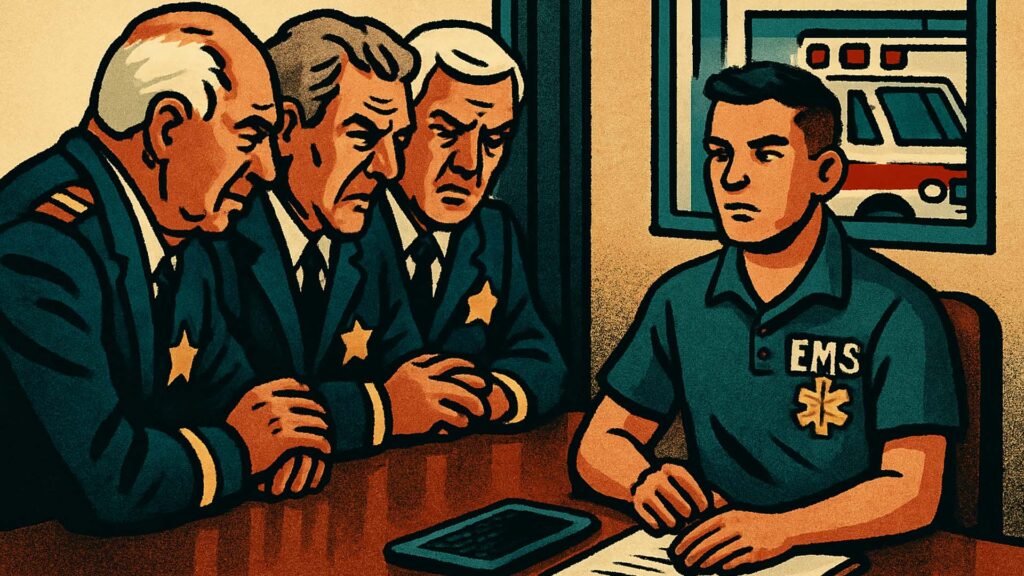
Exclusion from hard decisions, undermining what decisions I was allowed to make, constant belittlement, and such comments such as “you’re not really in charge” really made this transition difficult for me as a new leader. For that matter, it would make any leader regardless of age question their choices. I felt these same challenges in multiple departments and conversations among fellow young leaders found an alarming trend; we all faced the same challenges. Each generation has their own values and attributes that make them special. Mixing generations is a great way to diversify the leadership structure of your organization, but how would you expect the younger perspectives if they never had the chance to help make the change?
Challenges Young Leaders Face
Generational Clashing – Young leaders face specific challenges in these leadership roles. They will come to these positions with less experience, if not through work experience, than with life experience. This may create tension if those individuals fall into a role where they must direct the work of others with far more experience. A difference in opinion, experience, knowledge, and ethical decision-making may all play a role in the clashing of minds.
Challenging Professional Identity – With their potentially limited working experience in traditional EMS response, there may be times when these individuals challenge their identity as a leader in favor of a prehospital provider. Missing out on key professional milestones in favor of career progression can create interpersonal challenges as they adjust to their new role. This challenge is not unique to young leaders and can be seen in many providers as they change professional roles. What makes the young leader unique in some instances is longing for skills or experience they did not otherwise have the opportunity to achieve in their time in a more traditional role.
Reverse Ageism – Almost 95% of people report ageism is common in the workplace. Not all aging managers respect the pivotal role this new younger generation of EMS leaders has to offer. In this perspective, young leaders may be excluded from directional meetings or discussions all together. Their social behavior and increased presence on an interconnected online world may lead to stereotypes that they will share privileged information (or as many of us would say “spilling the tea”). This would continue to cause communication breakdown within core levels of the administration of EMS organizations furthering the divide. This may be specifically impactful to young leaders who also find themselves in the troubled middle-management classification.
Missing Rungs in the Career Ladder – With an increased prevalence of higher education and degree opportunities for EMS providers to pursue across the country, it is fair to assume that these young leaders may begin to emerge already possessing education credentials higher than those having served the profession for decades. As this progression continues and degrees in EMS become more prevalent, it may become commonplace that many of these emerging new leaders are hired with less experience and more education than their counterparts. This may create opportunities for promotion for these new leaders where animosity can build between their slower-to-progress counterparts. This approach not only creates tension, but it can also lead to personnel challenges if promotional pathways are limited. Traditional promotional pathways often promote based on years of experience and limited consideration of other factors. As EMS agencies progress past this model, this also may lead to more experienced providers not receiving the promotion they had been waiting years for in favor of a more qualified (and sometimes younger) applicant.
Limits to the Terminal Velocity of a Workplace – The thirst for innovation and progress for young leaders is hard to quinch. The energetic nature of Y Gens and problem-solving philosophy of Gen Z’s can only be matched by their intolerance for stagnation. This may be especially true for younger leaders entering the administrative role as middle-managers who must utilize a chain-of-command approach to their ideas and innovations. If the managers of these young leaders are delayed in their response or drive for the same changes, then it is both the new leader and the organization who will suffer. Providing opportunities for project leadership may help in quenching this thirst.
The Road to Success is not Always Clear – What if the grind gets to be too much for these new and oftentimes ill-experienced leaders? The challenge is that many of these providers climbed the ranks of their own agency and earned the position they desired. If they choose to leave, where do they turn? They may face an extraordinarily competitive market for other administrative positions in other departments but with longevity being such an influential factor in the hiring process, these leaders may face less chances of external hiring in these same positions. This may create difficult decisions for them to either return to field operations or make great moves to chase another opportunity to improve their life in the process. Changing traditional promotional pathways to ensure young leaders have a seat at the table too is invaluable in diversifying EMS leadership systemically.
All of these challenges lead to a greater problem: Impostor syndrome and burnout.
With the turnover rate being in the 20 to 36 percent range for EMTs and Paramedics in 2022, how do we expect to sustain EMS? The truth is that leaders will emerge and it’s reasonable to believe there will be young leaders who emerge alongside those who step up. Impostor syndrome has no boundaries, and younger leaders are more prone to the ugly side of it. Feeling like they’re not doing enough, feeling like they’re missing out on key moments of their career, feeling as if they’re inadequate in their role, they all are products of impostor and burnout syndromes.
Solutions for the Growing EMS System
Do any of these challenges sound familiar? With the limited number of young providers entering leadership roles in EMS, it’s hard to tell how prevalent these challenges truly are. What we know is that these challenges continue to influence the desire for young providers to seek positions of higher ranking which both impact their potential longevity and impact on an organization. It is for this reason that one of the biggest ways to combat these challenges is to be self-aware of their presence. Identifying where disparities exist and ensuring that your organization is embracing this paradigm shift. Culture is critically important to this new wave of EMS providers, field and leadership. Creating a culture of growth and entrepreneurship helps to drive their desire to assist with overall systemic change in EMS.
What is clear is that young leaders face many challenges. With so few young generations represented in EMS leadership, it is crucial that older generations offer their experience and expertise to these rising leaders to ensure their success.
Fundamentally, extending a hand to these individuals not only will encourage them to take lead, but it also very well may ensure the availability of future EMS leaders in our growing profession. The value of mentorship and cooperation through this generational transition is part of our young professions growth. We must be willing to accept our differences, be self-aware of those differences, and find ways to utilize these differences to provide different perspectives into the progress leaders of all generations are making.
Don’t be afraid to ask questions. What is your organization doing to support leadership training initiatives? What culture does your organization embrace ensuring those with softer voices not only have a seat at the table, but that they are invited to take the seat too? What have you done as a young leader to ensure your name is not only heard but remembered? What support are we offering for new leaders to ensure they don’t fall victim to their own minds?
And for those young leaders already at the table, don’t get discouraged. It took a lot to fight through the challenges. Don’t let poor leaders or poor organizations dictate the trajectory of your career.
You’ve earned a spot at the table to feast on the things you believe in. Through all the challenges, you truly defied odds stacked against us. Embrace these challenges as they will only teach you how to avoid them as a leader. Don’t let toxic leadership overtake your boundaries; pave way to break future boundaries for the future of young EMS leadership. If we want EMS to continue its forward progress, we must be willing to embrace our newfound leaders emerging from the final years of the 1900s and encourage their success leading us through until the next generations take our place.
More Articles