

The Impact of Extreme Weather Events on EMS – And How to Prepare
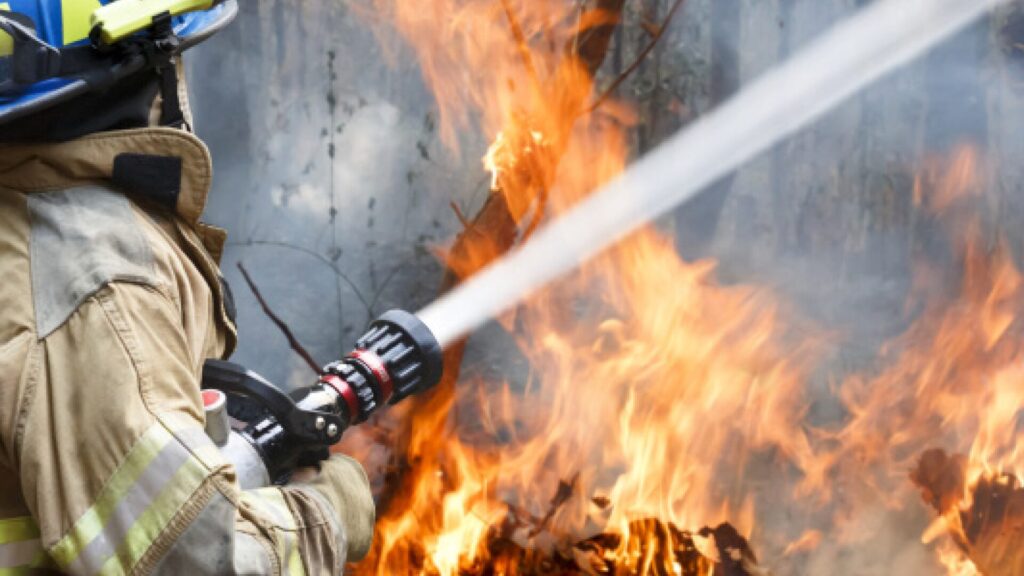
In 2023, temperature records fell across broad swaths of the country and the globe. Other forms of extreme weather disrupted lives and caused billions of dollars of damage too. By the end of 2023, the National Oceanic and Atmospheric Administration (NOAA) counted 28 separate weather or climate disasters that caused at least $1 billion in damages. NOAA’s list included the floods in the Northeast in July, the firestorms that devastated Maui, and Hurricane Idalia that crashed into Florida in August.
EMS faces new risks and challenges
As with other disasters, EMS is on the frontlines of response to extreme weather events. EMS practitioners provide critical care to victims, and help communities recover. Compounding those well-known challenges: Extreme weather is becoming more frequent, and in some cases more intense, said Sunny Wescott, lead meteorologist at the Cyber and Critical Infrastructure Security Agency (CISA) at the U.S. Department of Homeland Security. The uptick in extreme weather events means the EMS workforce and operations will need to adapt, Wescott said.
The years 1980 to 2022 averaged eight $1 billion events annually (adjusted for today’s dollars). Compare that to the 18 that occurred annually during the four years between 2018 to 2022. NOAA’s $1 billion list for 2023? One drought, four flooding events, 19 severe storms, two tropical cyclones, one wildfire event and one winter storm.
New pathogens and infrastructure damage
Severe weather and climate change can expose EMS to disease-carrying pests and pathogens they may not have had to contend with before. Extreme weather can more rapidly degrade infrastructure, like bridges, roads, and railroad tracks. Global changes in weather patterns can disrupt supply chains. And the greater frequency of these events can make it more difficult for responders to recover from the last one before the next one hits. “This can lead to readiness degradation,” Wescott said.
Westcott spoke with NAEMT about the impact of extreme weather on EMS – and how EMS can prepare for more to come.

Heat – dangerous for patients and crews
Heat is the #1 weather-related killer. 911 calls for heat-related emergencies spike during heat waves – so much so that in 2023, two federal agencies launched the EMS Heat Tracker. The online dashboard is a project of the Department of Health and Human Services Office of Climate Change and the National Highway Traffic Safety Administration. Tracking heat-related 911 calls enables immediate decisions about where to open cooling centers and provide outreach to at-risk populations. It can also help drive future decisions about heat mitigation strategies, such as planting more trees.
But heat is also an issue for the EMS workforce. Working in extreme heat stresses the heart and other organs. EMS crews face heat stress when they’re helping patients in hot indoor environments that lack air-conditioning, and when responding outdoors. High humidity makes it harder for the body to cool itself through perspiration. “It becomes like operating in a very intense sauna. You’ve got stagnant air so your sweat doesn’t evaporate,” she said.
Phoenix Fire Department knows heat
Crews with the Phoenix Fire Department are used to the heat. Yet the summer of 2023 was next level even for them, said Phoenix Fire Department Capt. Rob McDade. In June, Phoenix temperatures hit 110 degrees and stayed there for 31 days straight. The heat wave led to at least 569 confirmed heat-related deaths. “We ran more heat-related calls than we have in the history of our department,” McDade said.
Outdoor workers like landscapers and construction workers, the homeless and the elderly were among those hardest hit. To treat patients with heat-related illnesses, fire trucks keep IV fluids cool in ice chests. Anecdotal reports suggest that cold IV fluids may lower core body temperature faster, although it’s still being studied and there isn’t consensus on this.
The fire department lobbied the city to close certain hiking trails during the hottest hours. Firefighters were being called to do mountain rescues for hikers with heat stroke, putting the rescuers at risk while doing so.
We ran more heat-related calls than we have in the history of our department.
Outdoor training exercises for personnel have also been shifted to cooler, winter months, for crew safety. And on days when temperatures soar, supervisors check in with crews to make sure they have opportunities to cool off and hydrate, especially after fire-related calls. “There is no more ‘cowboy up’,” McDade said. “It’s, ‘Let’s not get our folks hurt.’ Heat is a health risk.”
Hot and bothered
Here’s another heat-related threat – research shows there’s a connection between heat and violence. As temperatures rise, people feel uncomfortable. Some may have a harder time managing anger and emotions. A 2022 analysis published in JAMA Network of 3.5 million emergency department records found emergency department visits for psychiatric conditions spiked on really hot days.
“During those direct heat, high pressure days, you’re seeing an uptick in aggression. You’re seeing domestic violence go up, and animal attacks go up,” Westcott said. Yes, animals get cranky too. An analysis of nearly 70,000 dog bites in eight U.S. cities found dog bites went up 4% on high heat days and 11% on days with elevated UV radiation.
Heat brings larger, more intense storms
Rising global temperatures are at the root of the extreme weather, Westcott explained. Because the planet is interconnected, changes in temperatures, wind or currents in one place can affect weather patterns elsewhere, sometimes in ways that are hard to predict. Scientists have been keeping a close eye on tropical cyclones. These are large, rotating storms – hurricanes, typhoons and tropical storms.
The good news? The number of hurricanes reaching U.S. shores has not increased in the last century. Models show they might even become less frequent. The bad news? Tropical cyclones are showing a tendency to rapidly strengthen into incredibly powerful storms.
“Those are your Category 4 and 5 hurricanes. These systems are larger now, and capable of damaging more regions simultaneously,” Wescott said. Researchers recently proposed adding a new, Category 69 for storms with wind speeds above 192 miles per hour. Intense storms can overwhelm runoff and drainage systems that weren’t built to handle the deluge, leading to flooding even in areas not typically thought of as flood prone.
If the ground is already wet, the capacity to absorb rain is already diminished. Droughts can cause their own issues. If the ground is really dry when a big rain hits, it acts like pavement. Heavy rains slough off quickly, causing flash floods.
Power outages and infrastructure damage
Infrastructure also takes a beating in extreme weather. Fires, ice storms, floods and heat waves put pressure on an overloaded, aging electrical grid. Between 2000 and 2021, about 83% of major power outages in the U.S. were caused by weather, according to an analysis by Climate Central. The average annual number surged by roughly 78% between 2011 and 2021 compared to the 10 years prior.
Lengthy power outages can affect EMS and hospital operations, surpass the battery lifespan of home medical equipment, and cause heat illness and hypothermia in those who are most vulnerable or live in poorly insulated homes.
Extreme heat has also buckled airport runways and roads, warped train tracks, and cracked the metal in bridges. “Our building materials didn’t account for the continuous temperatures at the rate we are seeing them now,” Wescott said. Heat can cause power lines to expand, sag, touch dry grass or trees and spark wildfires, while tidal flooding and sea water intrusion damages building foundations in coastal areas.
Pests and pathogens in new places
Mosquito-borne Illnesses
Mosquitos love nothing more than warm, wet weather. Warmer temperatures can accelerate mosquito biting rates, enhance disease incubation within them, and put humans at greater risk of contracting diseases like West Nile virus.
The risks of contracting malaria are very, very low. But conditions are becoming more favorable for mosquitoes that can carry it.
Changes to weather patterns can also impact bird migration patterns, which impact mosquito populations. Warmer winters mean fewer deep freezes to kill off mosquito eggs, while heavy rains leave behind standing water and high humidity. “Some of those areas only stay wet for a few weeks and then they dry up, but that’s all mosquitos need,” Wescott said. In 2023, the U.S. saw nine cases of locally acquired malaria for the first time in a century. The risks of contracting malaria are very, very low. But conditions are becoming more favorable for mosquitoes that can carry it.

Alpha-gal Syndrome
Once rare, a meat allergy from a tick bite known as alpha-gal syndrome now affects up to 450,000 people in the U.S., according to the U.S. Centers for Disease Control and Prevention. It’s caused by a bite from the lone star tick. The tick is found mostly in the southern and eastern U.S., but its range is expanding. Alpha-gal takes its name from galactose-alpha-1,3-galactose, a sugar present in beef, pork, and lamb. Lone star ticks transmit the sugar to people through a bite. Some people’s immune systems then interpret the sugar as a threat and overreact to it the next time they eat meat.
Once rare, a meat allergy from a tick bite known as alpha-gal syndrome now affects up to 450,000 people in the U.S.
Reactions are sending people to emergency rooms with anaphylaxis, often several hours after their meal. Many people go to bed and wake up with horrible stomach pain or even gasping for breath, but they don’t necessary connect it to the dinner they ate hours earlier.
Valley Fever
Valley fever is caused by the fungus coccidiodes, which lives in the soil in hot, dry areas. Some people who become infected have no symptoms, or recover within a few weeks. But others can become severely ill or permanently disabled. Cases have soared over the past two decades, according to the CDC.
The fungus can survive long periods of drought, and then flourish after abnormally wet winters. When the ground dries out again, the wind sends the spores up into the air, and into people’s lungs.
This is what happened recently in California. In 2022, California emerged from a lengthy drought into one of the wettest winters on record. The number of reported Valley fever cases surged 800% from 2000 to 2022, according to the state’s department of public health.
Wescott herself contracted it, likely during training exercises in Arizona. “I have lung nodules. When they do scans, they always assume its cancer, but I have these little tumor buddies that live with me now,” she said.
For references or credits, contact media@naemt.org
More Articles